Printing systems

with cutting-edge technology

Offset

Indirect printing

Ability to print on a wide variety of materials with the highest quality using a rubber printing system and at a controlled cost.

Advantages of offset printing:

  • Highest print quality currently available
  • Widest range of materials available
  • Maximum color registration accuracy
  • 100% color gamut coverage
  • Low machine setup costs

Flexography

UV-flexo printing

A specialty of flexographic printing is printing with radiation-cured inks. While solvent- or water-based inks dry physically, flexographic printing involves the polymerization of colors or lacquers due to the influence of ultraviolet (UV) curing radiation. The curing reaction takes only a fraction of a second. This also facilitates printing on difficult materials such as plastic films or metallic films.

Advantages of flexographic printing:

  • Fast setup time
  • UV inks
  • High ink coverage, high color brilliance
  • Up to 8 colors in a single press pass
  • Near offset quality with CTP (Computer-to-Plate) flexo technology
  • High lightfastness thanks to special inks
  • Print widths up to 340 mm
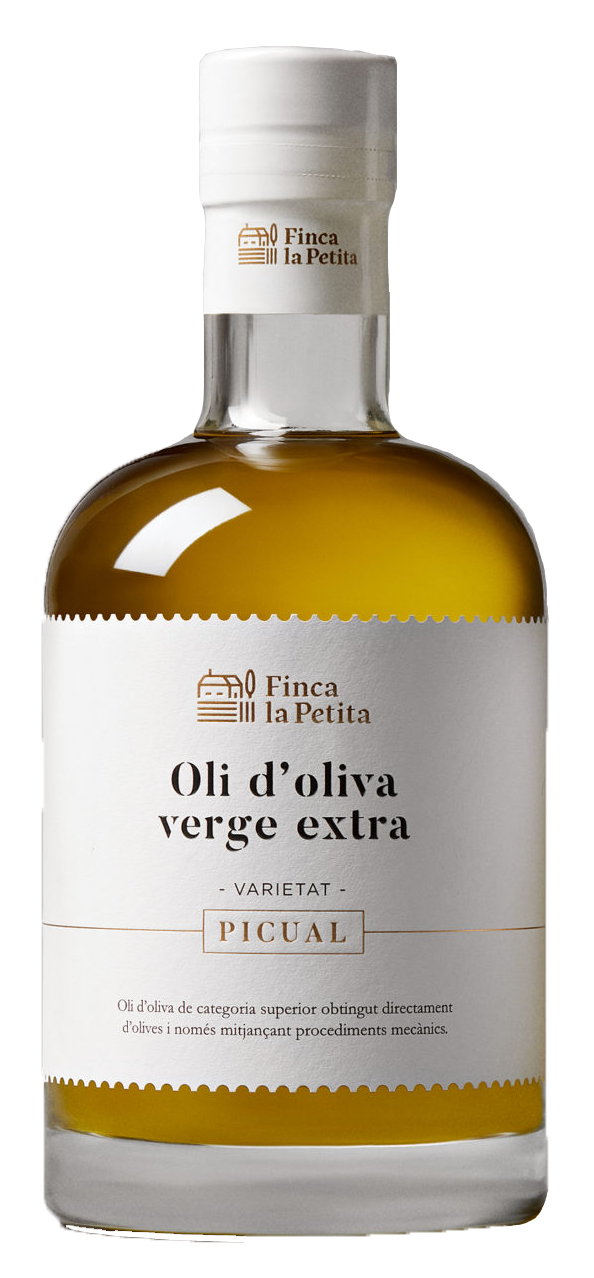
Botella de aceite de oliva virgen con etiqueta en serigrafía

Serigraphy

Mesh printing

Screen printing is a mesh-fed printing process in which ink is forced through a porous image substrate, using only liquid inks that cure under UV radiation. The ink is forced through the mesh into the designated printing area, where the printing area is open and the non-printing area is sealed.

Advantages of screen printing:

  • High color transmission
  • Bright and coating inks
  • Braille printing
  • Printing widths up to 300 mm

Digital

Printing with digital data

Digital printing refers to a printed image created directly from digital data. Unlike conventional printing processes, there are no intermediate prepress steps between the digital document file and the final print. Therefore, there are no films, engravings, photochemicals, or any waste.

A notable difference between conventional and digital printing is that the ink is transferred completely without the characteristic ink separation. This means that a new separation, in different colors, can be created for each press rotation.

Advantages of digital offset printing:

  • Variable data, unique labels
  • No minimum production quantity
  • High print quality
  • No costs for films or printing plates
  • Excellent price/performance ratio for small and medium print runs
  • Ideal for very short runs
  • Quick change of print data
  • Custom printing (personalization)
  • CMYK and spot colors
  • High registration accuracy

Hot foil (stamping)

Finishing printing

A printing system dedicated to high-value-added finishes, transferring metallized films using pressure and heat. It employs metal plates, dies, and multi-layered foils instead of liquid ink. Printing is done via a die containing the engraved image. This die has a thin film known as foil, which creates the printed image.